
So you’re already in the beauty industry and wondering if a cosmetic tattoo course will help me get more clients? — Short answer: Yes, but not in the way the Instagram ads promise. We’re talking about real clients, real results and a skill that requires more than just a pretty certificate. Whether you’re a brow artist, lash technician, beauty therapist or total beginner, enrolling in a professional cosmetic tattoo course can definitely get you more clients. But it has to be the right training, with the right foundations and the right intentions. Let’s break down why this competitive field requires more than just enthusiasm.
At Cosmetic Tattoo Melbourne Studio Face Figurati we’ve seen firsthand how quality education in cosmetic tattooing lays the foundation for a successful, sustainable business.
A Tattoo Won’t Build Your Business — You Will
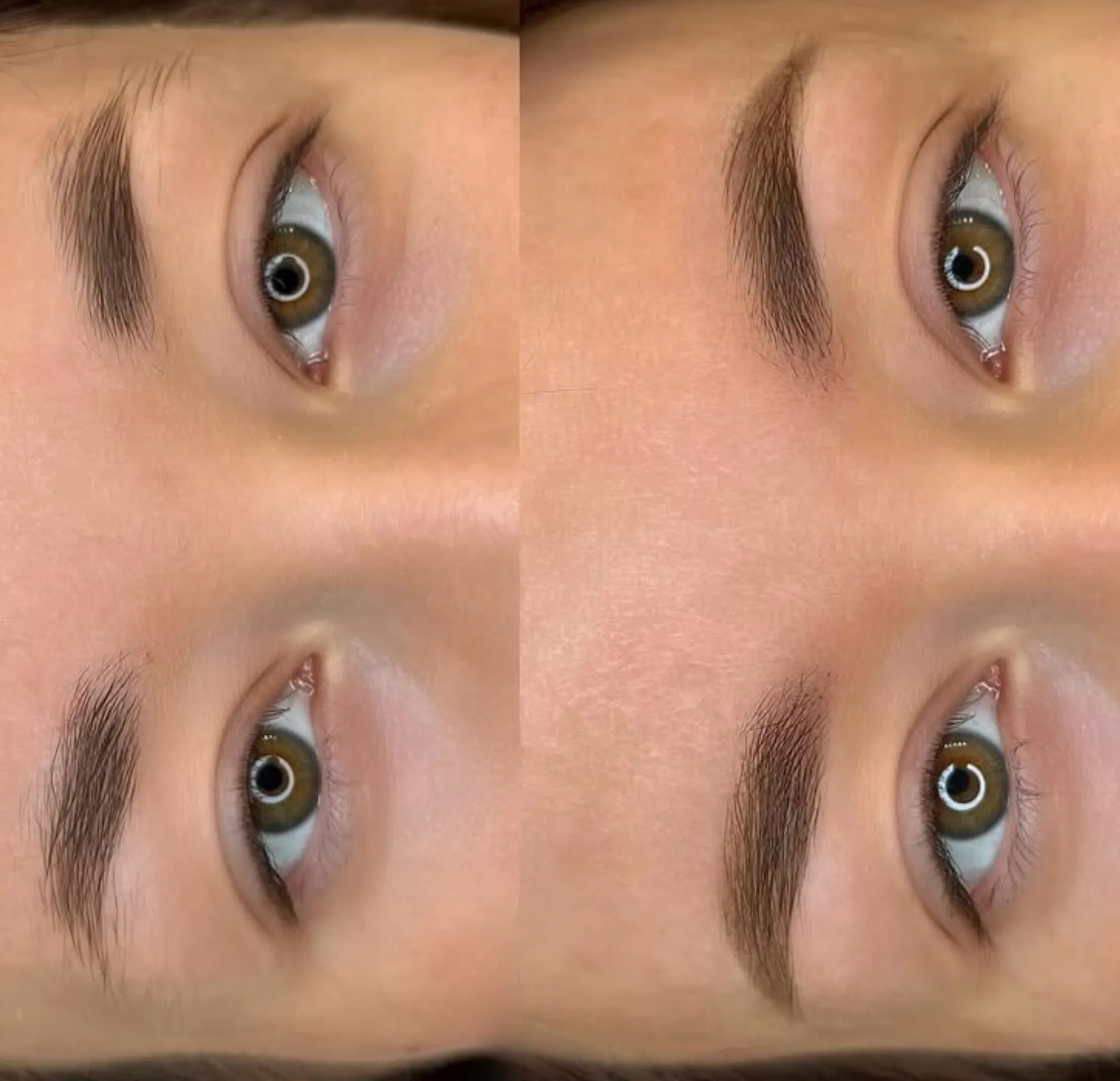
Not all cosmetic tattoo artists are booked out. And it’s not just about talent. In my studio the artists who thrive are the ones who pair great technique with good business strategies, safe procedures and a client first attitude. Training is just one part of the puzzle.
So before you hand over thousands for a course ask yourself:
- Do I understand skin anatomy, pigments and face shape?
- Am I prepared to work on different skin tones and skin undertones?
- Do I want to build a successful business or just gain technical skills?
A good course will help you answer these — and teach you everything from safe tattooing techniques to how to give post-treatment care and Aftercare instruction that builds client trust.
Inside a Tattoo Course
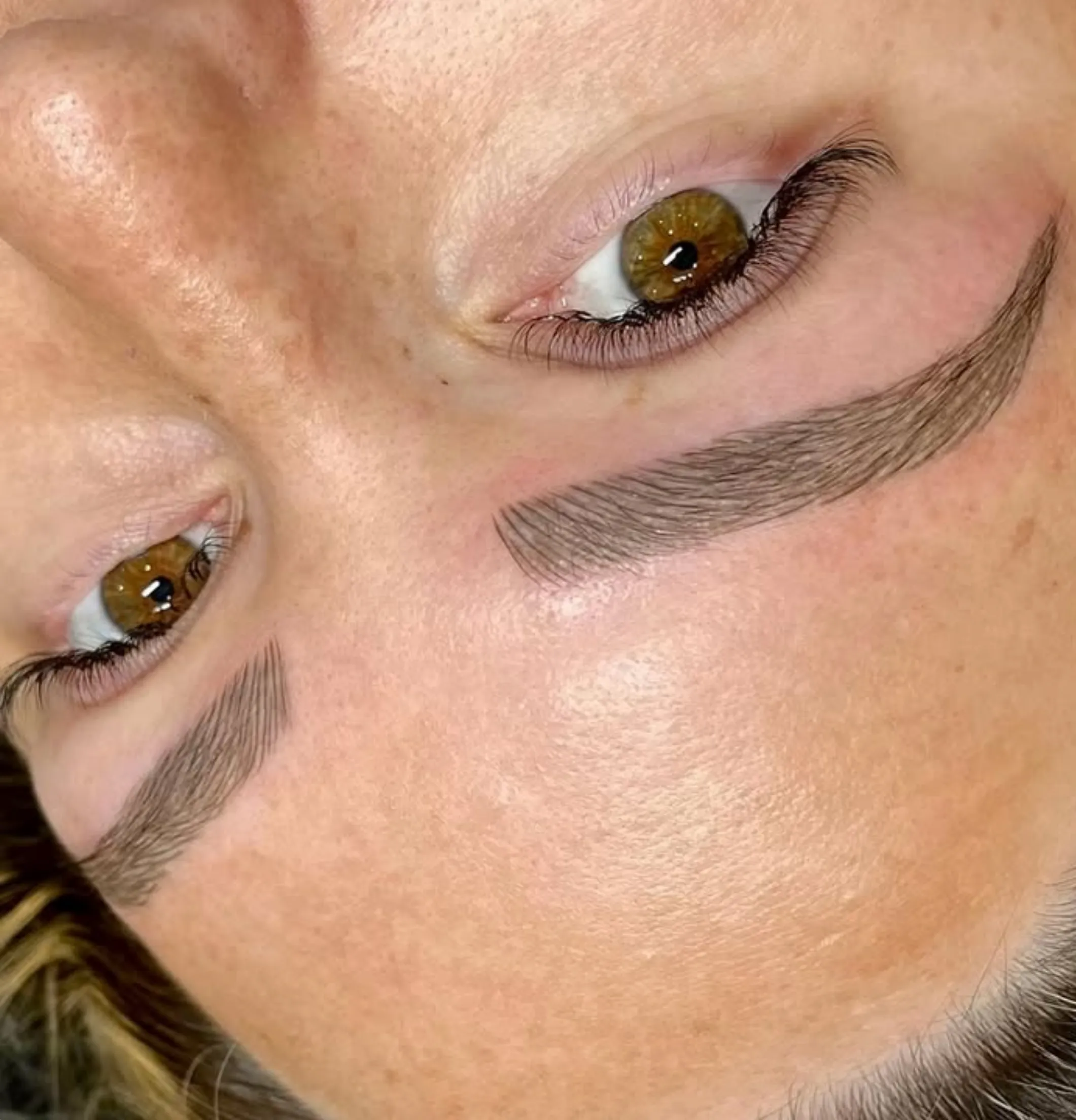
Depending on the level, your course could include:
- Infection control and hygiene protocols (essential for getting your tattoo licence)
- Skin anatomy, tones, undertones and common skin conditions
- Mapping brows, lips and eyeliner for various face and brow shapes
- Colour and pigment selection for different skin types
- Hands-on experience with artificial skin and live models
- Post-treatment care, Aftercare products and touch-up timelines
- Consultation techniques and managing expectations with potential clients
- Practical lessons and business elective components
You’re not just learning how to do a tattoo. You’re learning how to prevent pigment blowout, how to adjust for oily or mature skin, and how to choose high-quality pigments that heal well on darker skin tones — all of which make a massive difference to client satisfaction and referrals.
What Makes Clients Come Back?
- Clear, realistic consultations
- Gentle touch and safe technique
- Honest aftercare guidance
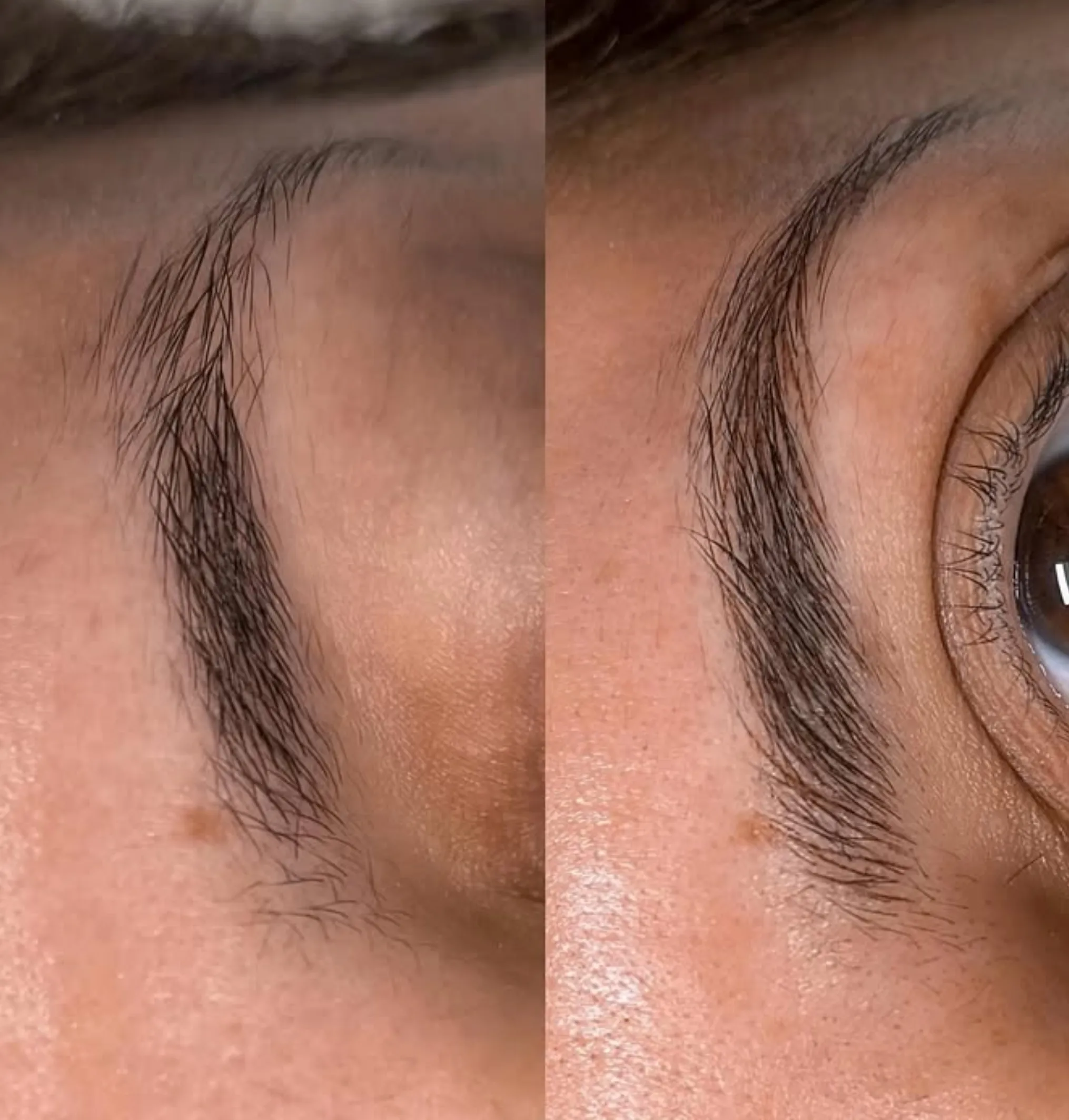
- Natural-looking brows and healed results
- Consistency with industry standards and safety protocols
Those things don’t come from YouTube. They come from experienced artists and tattoo course instructors who understand the entire process of cosmetic tattooing.
Industry Demand
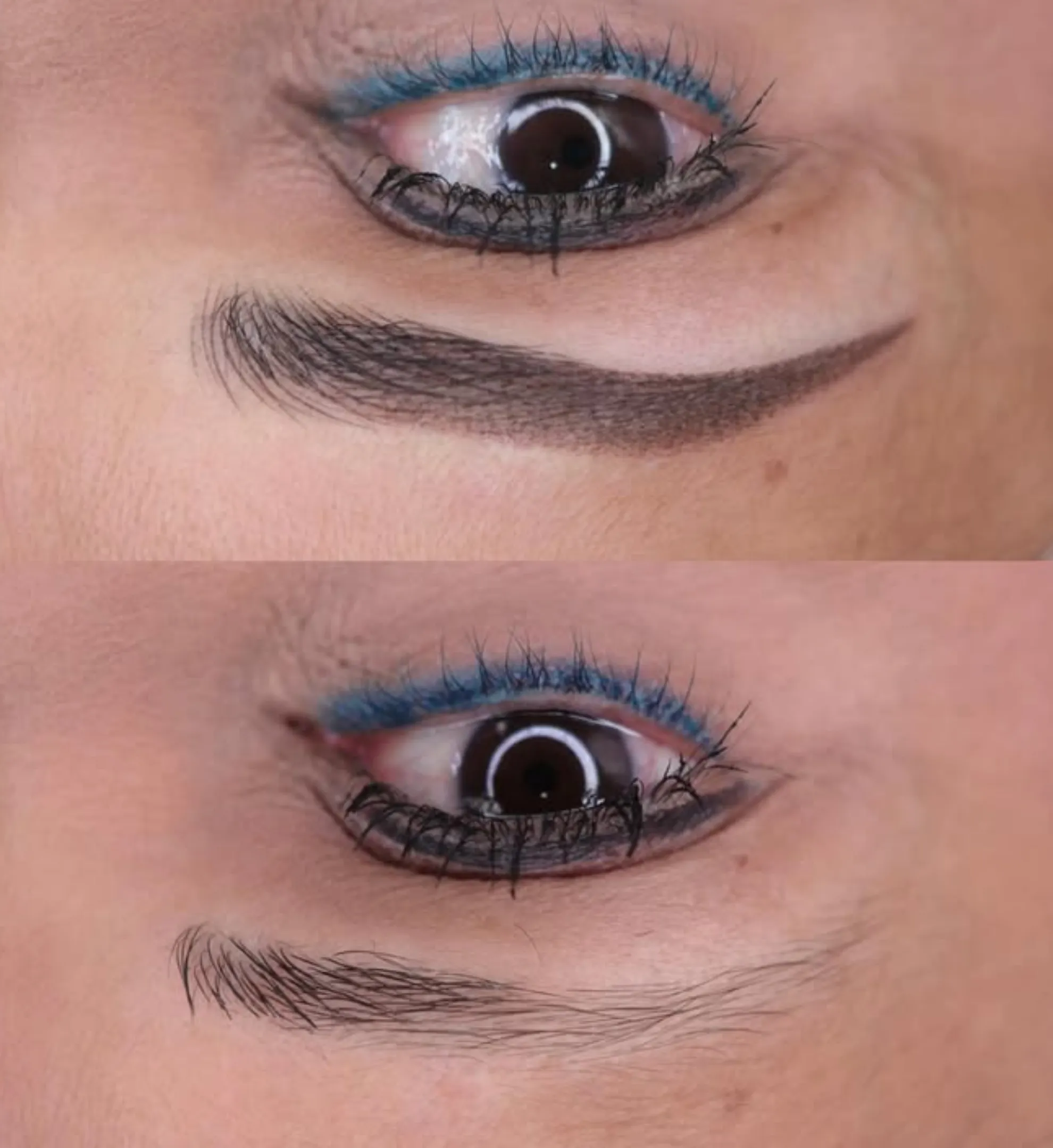
Despite TikTok trends swinging from skinny brows to laminated monsters, one thing stays steady: people want low-maintenance beauty. Semi-permanent brows, lip enhancement and eyeliner tattooing are still in demand, especially in areas with a high cost of living, working mums, or anyone with an active lifestyle.
Cosmetic tattooing lips — especially soft blush tones and lip liner enhancements — are particularly on the rise as clients opt for subtle, natural-looking results.
According to Australian industry data:
- The cosmetic tattoo industry is growing through 2025–2028
- Clients are better educated and more selective about who they book
- Eyebrow tattooing remains popular, but lip tattooing courses are rising in demand
The flipside? Clients expect more. They’re not just looking for “cheap” anymore. They’re Googling healed results, stalking social media platforms, and expecting artists to be trained, licensed and confident.
Let’s Talk Stats
| What Clients Look For | Why It Matters to Them |
|---|---|
| Before & after photos | Proof of cosmetic tattoo skills and results |
| Hygiene standards | Safety and trust |
| Training and credentials | Credibility and professionalism |
| Personalised consultation | Confidence in customised results |
| Real reviews or testimonials | Social proof from real clients |
If your training doesn’t cover all 5 of these points, it won’t help your thriving business. Full stop.
Choosing a Course That Works
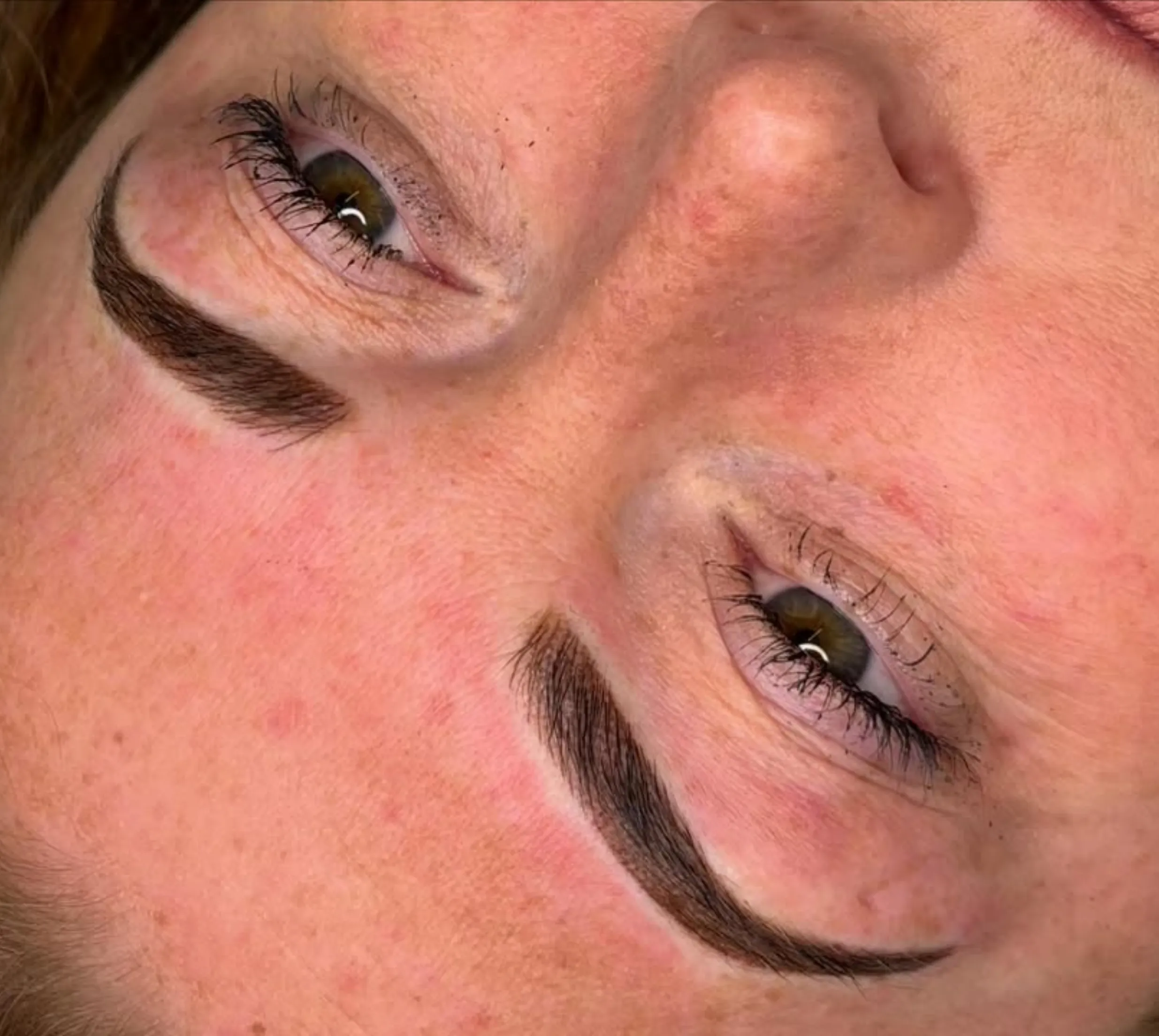
Not all cosmetic tattooing courses are created equal. Some will give you a printed certificate after a weekend on pig skin. Others will put you in front of real models, with real feedback, practical application and real coaching.
Red Flags:
- Courses that skip safety procedures and infection control basics
- No practical component or hands-on training
- Outdated brow shapes or microblading tools
- Instructors who aren’t active in the tattooing industry
- “Nationally accredited” claims with no clarity on standards
Green Flags:
- Units covering infection prevention, skin types, pigment selection and advanced techniques
- Mentorship or follow-up support after successful completion
- Small class sizes with guidance from tattoo course trainers
- Portfolio building with live model work
- Realistic guidance on business hours, beauty services and business plans
If you want to be a reputable cosmetic tattoo artist, your choice of training course sets the tone for everything that follows.
A course that builds your confidence builds your bookings. Simple as that.
When Can You Take Clients?
It depends on your training course and background. Here’s a rough breakdown:
If you’re a qualified beauty professional or beauty therapist:
- You might fast-track theory and focus on cosmetic tattoo artistry
- Expect 2–4 weeks of practical skills training, plus hands-on experience
If you’re brand new to the tattooing skills world:
- You’ll need to build fundamental skills in skin, hygiene, anatomy and services to clients
- Plan for 8–12 weeks, including practical experience and theory
Either way, check your state tattoo licence and safety protocol requirements. Some locations require elective units or further shadowing before launching your own beauty career.
From Course to Clients
When I first trained, I did a cheap, short course that gave me zero confidence on artificial skin, let alone real clients. My first brow client bled, the pigment blurred and I cried in the car after. Harsh, but honest.
It wasn’t until I retrained with an experienced tattoo professional who taught hands-on techniques, lip pigments, brow mapping and lash enhancement basics that I gained the essential knowledge needed to succeed.
From there, the referrals came in steadily. Why? Because I could:
- Explain the entire process clearly
- Skin type and pigment selection
- Aftercare instructions and product recommendations
- Bespoke brows with shape and natural beauty
Now, as part of the team at Cosmetic Tattoo Melbourne Studio Face Figurati I can say with certainty that great cosmetic tattoo training changed my career and gave me the skills to build my own client base.
Final Word
Your course is the first step in a successful career. What you do with your cosmetic tattoo portfolio, business ventures and online presence is what determines whether you become a cosmetic tattooist with a waitlist — or one who never quite gets traction.
This is a great field, but also a competitive one. Choose training backed by industry leaders, delivered in a professional environment, with real world insight into the beauty industry and tattooing industries.
Whether you’re looking to career in cosmetic tattooing lips, ombre brows, eyeliner tattoos or all of the above — choose education that meets industry standards and prepares you to see real clients, in real salons.
FAQ
Can I do a cosmetic tattoo course with no beauty background?
Yes, but you’ll need more theory on skin type, hygiene and safety protocols. Look for a course with strong practical lessons and foundation units.
How much do cosmetic tattooing courses cost in Australia?
From $3,000 to $12,000 depending on content, class sizes and training location. Price isn’t everything — check if it includes practical component and real world application.
Will I need a tattoo licence to work?
Yes, in most states. You’ll also likely need infection control certification and to meet council safety procedures for offering beauty services.
Can I work from home after doing a course?
Only if your home studio meets hygiene and professional environment standards, this often requires a council inspection.
Do clients care where I trained?
Absolutely. In today’s social media platforms era, clients research training quality, healed results and want to see cosmetic tattoo artistry they can trust — especially when choosing a cosmetic tattoo artist for treatments as personal as brow or lip work.